How video filled an arena: the marketing behind PFL Africa Casablanca
ByAymen El Hayani— Fixer & production manager, Rabat
3 min readStratégie · Événementiel · Social
Have a project in mind? Quote within 24 hours. Message us on WhatsApp · Call 06 63 66 27 95
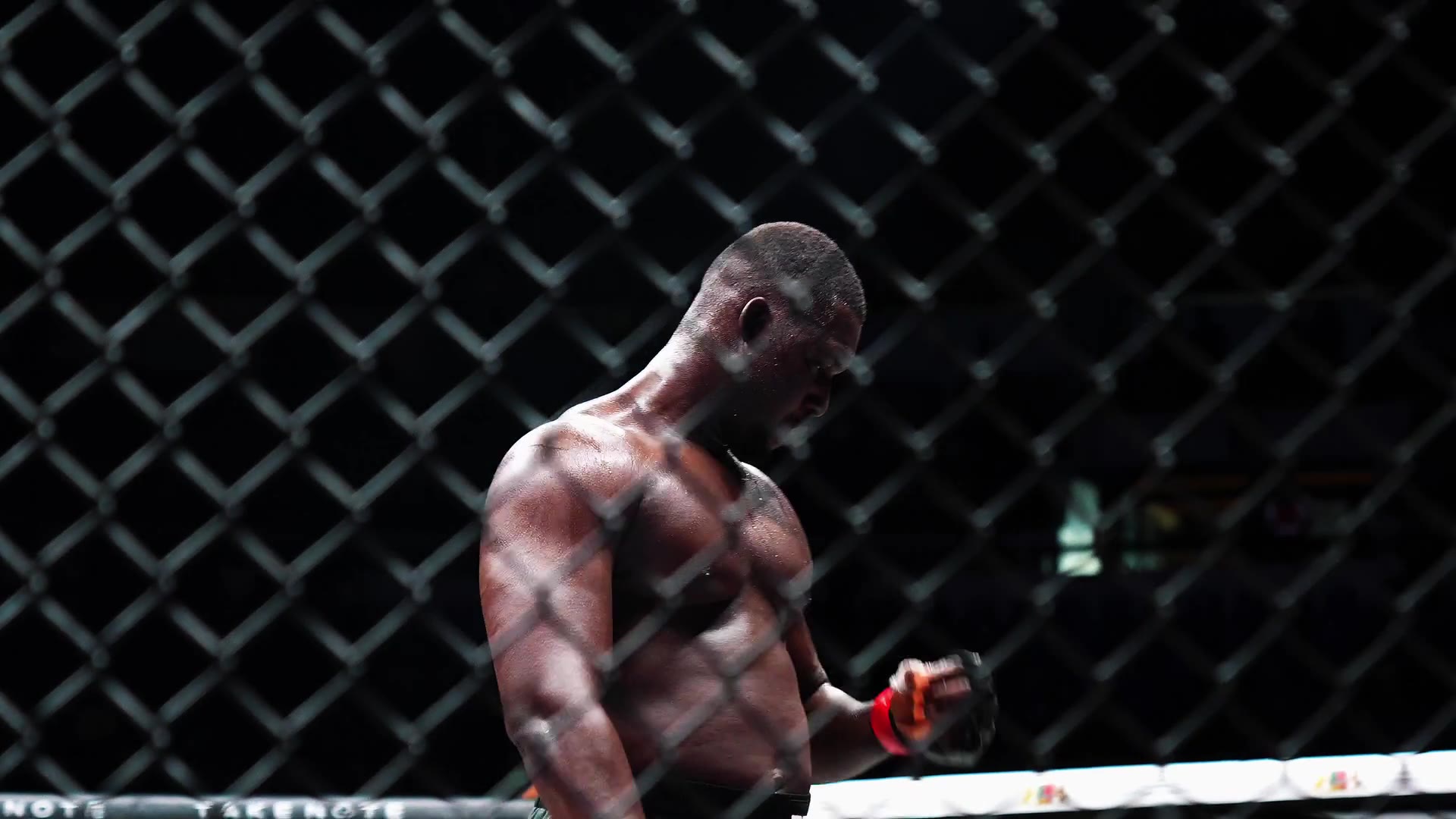
A fight night has one indicator that matters to the organiser: is the arena full? For PFL Africa Casablanca, in October 2026, it was — the event sold out. We produced the video, created all of the league's social media posts for the campaign, and worked alongside the organisation on marketing and production. Here is the content sequence that carried ticket sales, and what it teaches any organiser. For a brand or an organiser, it is the core of our social media management in Morocco.
Week −6: plant the idea
Before you sell a date, you sell a reason. The city film was made for that: Casablanca shot the way its people know it, from the port to the Corniche, and the PFL arriving in it. No price, no button. Just the idea that something is happening here.
That film then works everywhere: league channels, partners, press, screens at the venue. It is the best-value investment in the campaign because it is the only piece that never expires.
Week −4: the date
The announcement teaser does one thing: give the date, the venue, and the urge. Thirty seconds, a rhythm, the logo at the end. It goes out when tickets go on sale, not before — a teaser with nothing to sell is a promise that wears out.
Weeks −3 to −1: faces
This is where tickets are sold. A spot that follows ordinary people from the street to the cage. Fighter portraits, in a studio and then in the arena. Short vertical formats built for Instagram and WhatsApp, because that is how information really travels in Casablanca.
We created all of the league's posts over that period: visuals, short videos, copy, publishing rhythm. One post a day at the start, several a day in the final week, each with a single measurable goal — the click through to ticketing.
The rule we work by: a logo never sold a ticket; a face does. The brand film builds credibility, faces trigger the purchase. You need both, in that order.
The last four days: live
The final week is no longer played in the edit, it is played live. Arrivals, weigh-ins, face-offs, ceremony: four days of professional streaming, multi-camera, YouTube, Instagram and the league's other platforms.
Live does two things for ticket sales. It turns distant viewers into last-minute buyers — you buy a ticket to see in person what you just watched on a screen. And it gives the league's channels several days of content to share without producing anything more.
The same night: extend
The slow-motion portraits from fight night were delivered overnight. Published in the morning, they no longer sell that date — they sell the next one. An event that leaves strong images behind has already started the next campaign.
What video does not do alone
To be honest about it: video does not fill an arena without the rest. Ticketing that works, partners who share, a league with an audience, fighters the public wants to see. Our role was to give all of that something to show, at the right moment, in the right format — and to hold the production so that every piece went out on the day it was planned.
In short, for an organiser
- A film that plants the idea, early, and that will work everywhere
- A teaser with the date, the day tickets go on sale
- Faces, more and more often, in formats built for phones
- Live streaming over the last days, not only on the night
- Footage delivered overnight so the event carries on the next morning
An event to fill? Let's talk — the content calendar is decided with the date, not three weeks before it.
Frequently asked questions
- How far ahead of an event should you start publishing?
- Six to eight weeks for a first date, building in intensity: a mood film early to plant the idea, a teaser with the date as soon as tickets go on sale, then short formats more and more often up to the day. The last week is played live.
- Which video formats sell the most tickets?
- The ones that show people, not logos: fighter portraits, face-offs, reactions, behind the scenes. The brand film builds credibility; faces trigger the purchase. You need both, in that order.
- Does live streaming help sell an event?
- Yes, if it starts before the event. Weigh-ins and face-offs streamed live turn distant viewers into last-minute buyers, and give the league's channels several days of free content to share.
- Should the content be adapted to the local audience?
- Always. In Casablanca that meant showing the city the way its people recognise it, putting Moroccan and African fighters forward, and formats built for Instagram and WhatsApp, which are the channels information really travels through here.